ESSE Walls · Los Angeles
Architectural wall panels
Explore wood slats, fluted and ribbed profiles, tongue-and-groove designs and paintable panels. Material selection determines the texture, depth and finish of the wall.
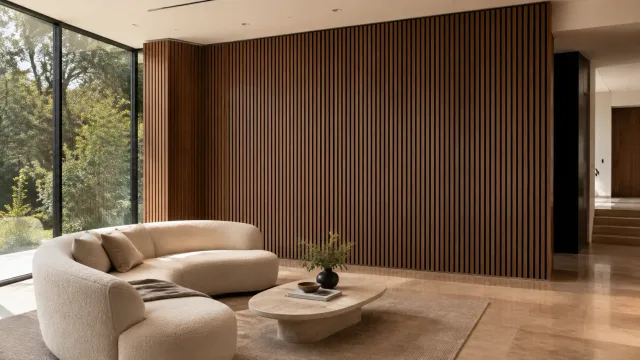
Explore the options.
Wood panels
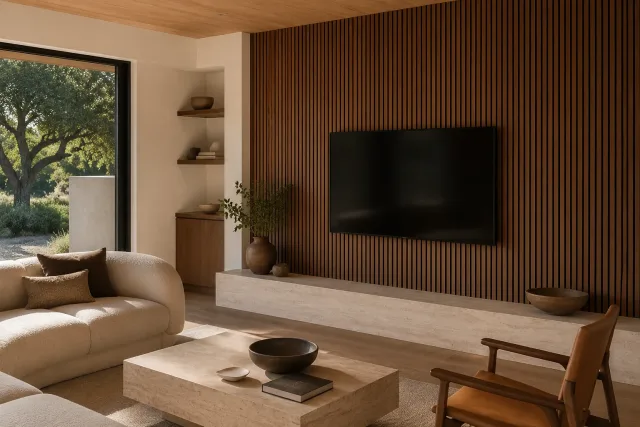
Classic Wood Slat Panels
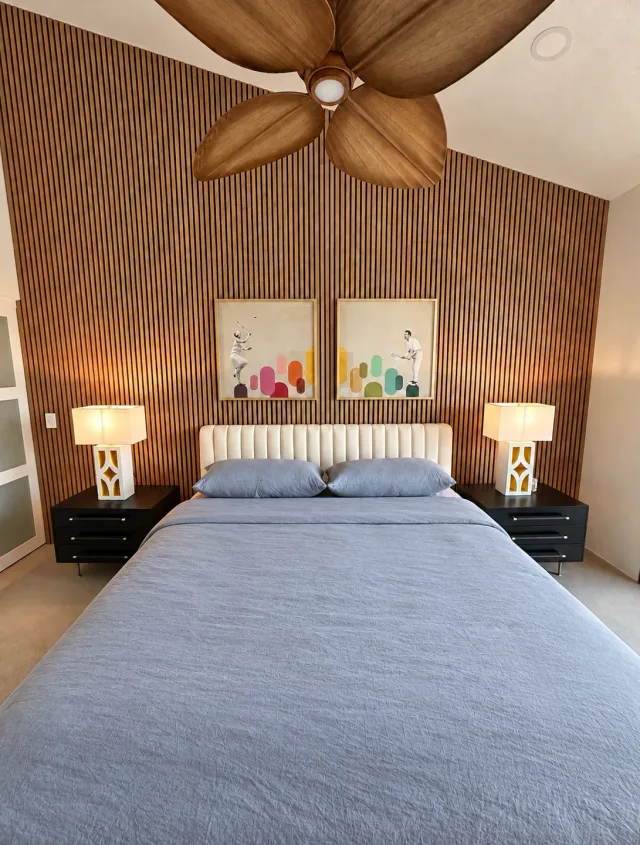
Classic slat panels create a closely repeated pattern of wood faces and recessed backing. They bring texture to a media wall, bedroom backdrop or office without requiring a custom geometric layout.
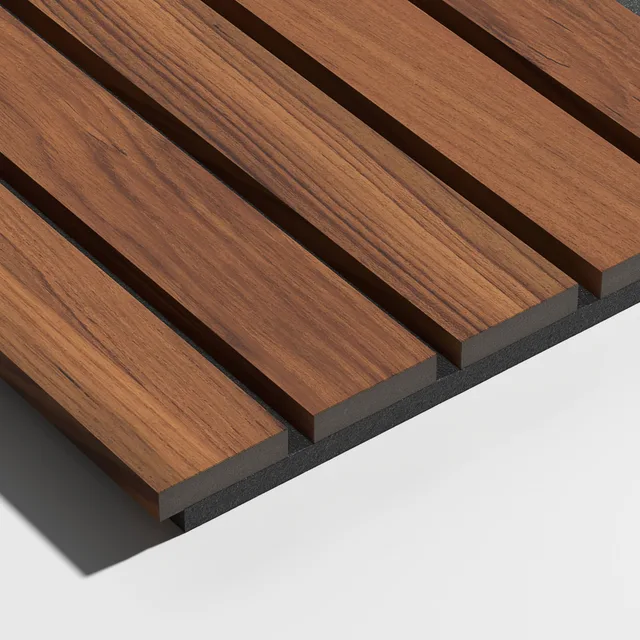
Wide Wood Slat Panels
Wide slat panels place more emphasis on each wood face and use fewer repeated lines across a wall. The profile is a useful alternative when a classic narrow slat pattern feels too busy for the room.
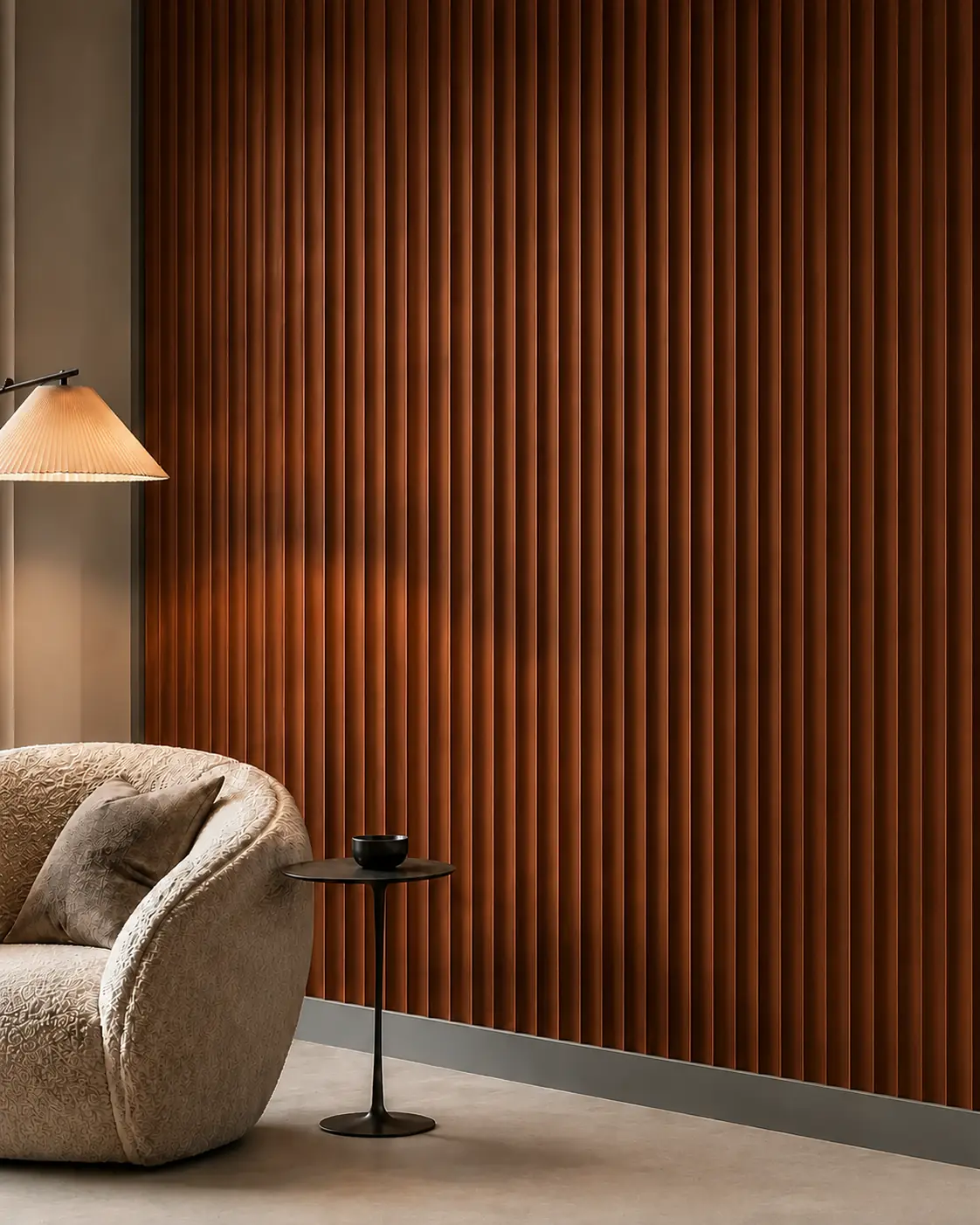
Fluted Wood Panels
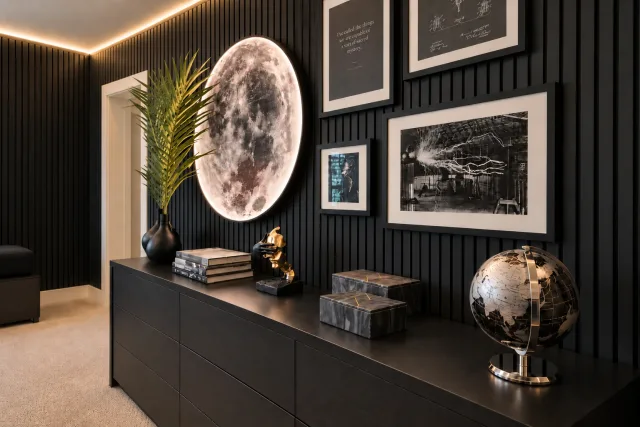
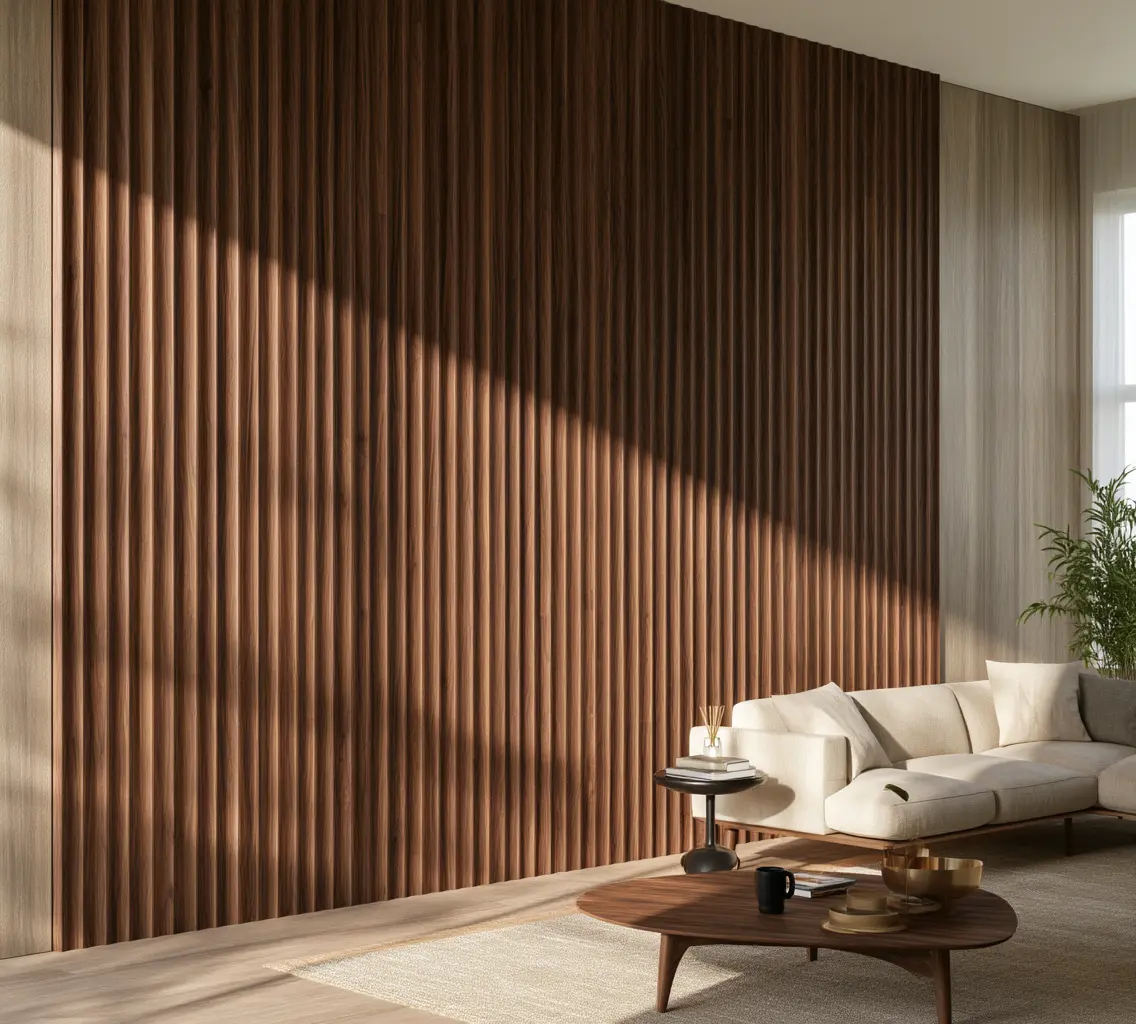
Fluted wood panels use repeated channels to create depth across a continuous decorative surface. The profile combines the character of the wood with a regular pattern of light and shadow.
Wide Fluted Wood Panels
Wide fluted panels use a larger repeat to make each channel part of the wall's architecture. They offer a broader, more pronounced texture than a closely spaced fluted profile.
Ribbed Wood Panels
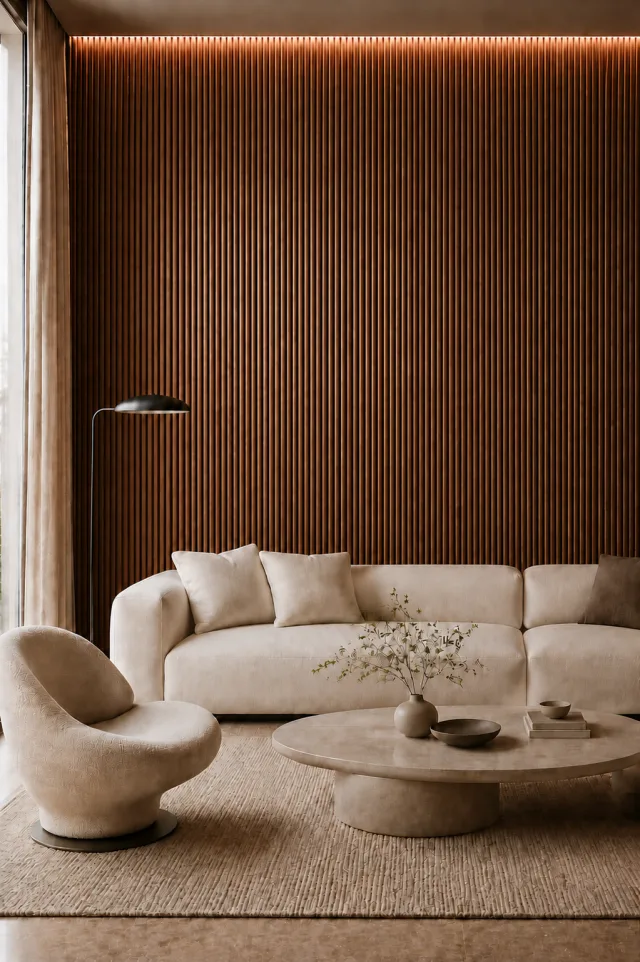
Ribbed wood panels bring rounded projecting profiles to the wall. Their repeated curves produce a softer transition between highlights and shadows than a flat slat with a dark gap.
Wide Ribbed Wood Panels
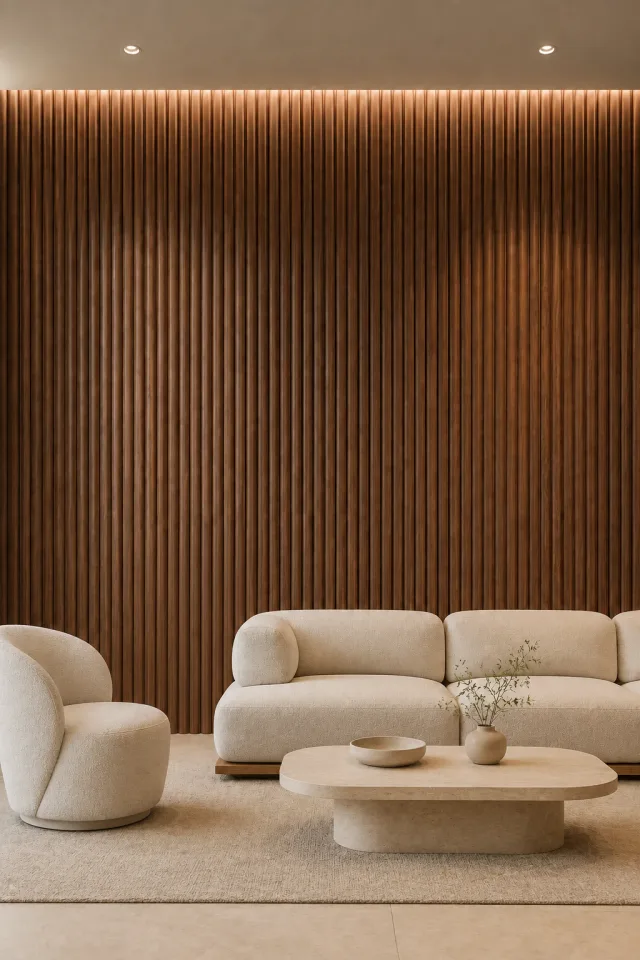
Wide ribbed panels use broad rounded faces to create a bolder wall texture. Each rib is more visible individually, giving the material a different scale from standard narrow ribbing.
Flexible Ribbed Wood Panels
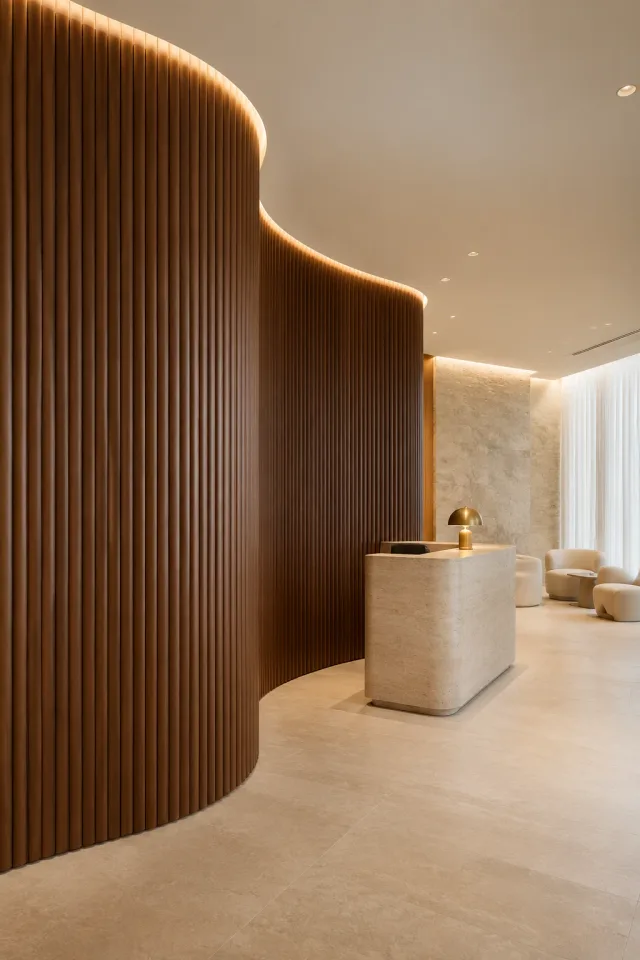
Flexible ribbed wood systems carry a repeated wood texture around a curve. They can be considered for curved walls, columns and reception features where rigid flat panels would need a different construction.
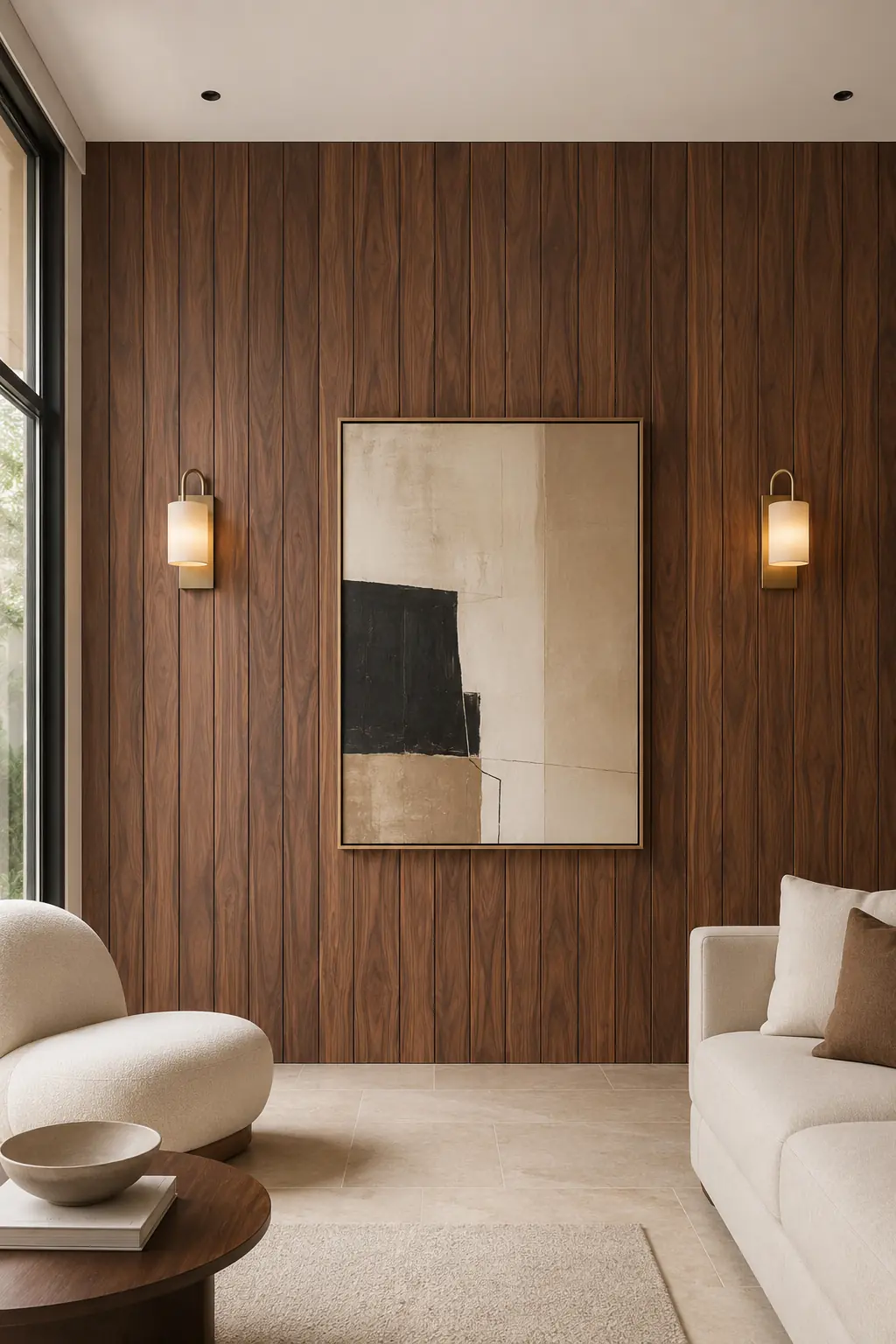
Tongue & Groove Wood Panels
Tongue-and-groove paneling creates a continuous wood surface with a defined joint between boards or panels. It offers a flatter architectural treatment than projecting ribs or felt-backed slats.
Paintable panels
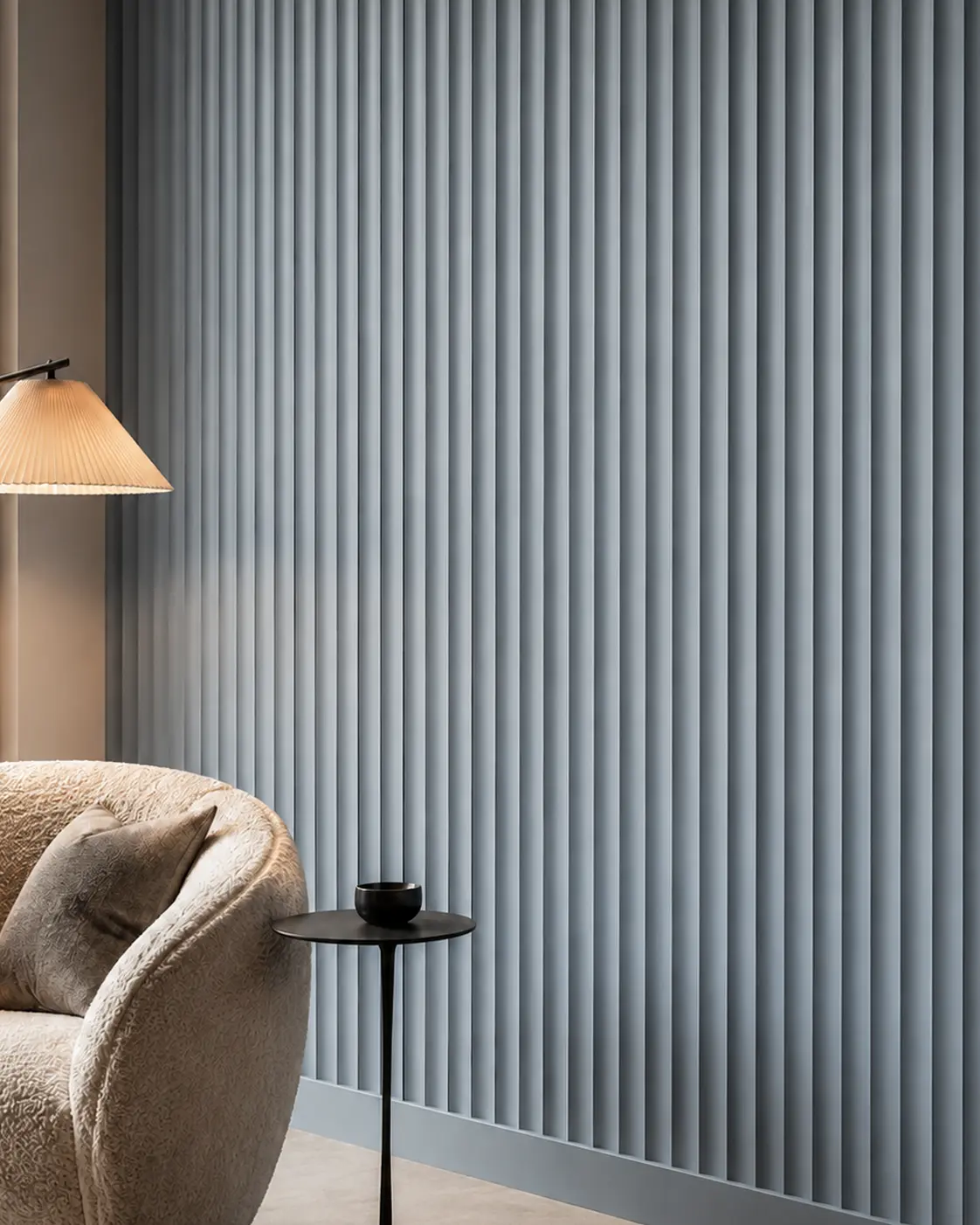
Paintable Fluted Panels
Paintable fluted panels combine a repeated channel profile with a chosen paint color. The texture gives the wall depth while the finish can coordinate with the rest of the room.
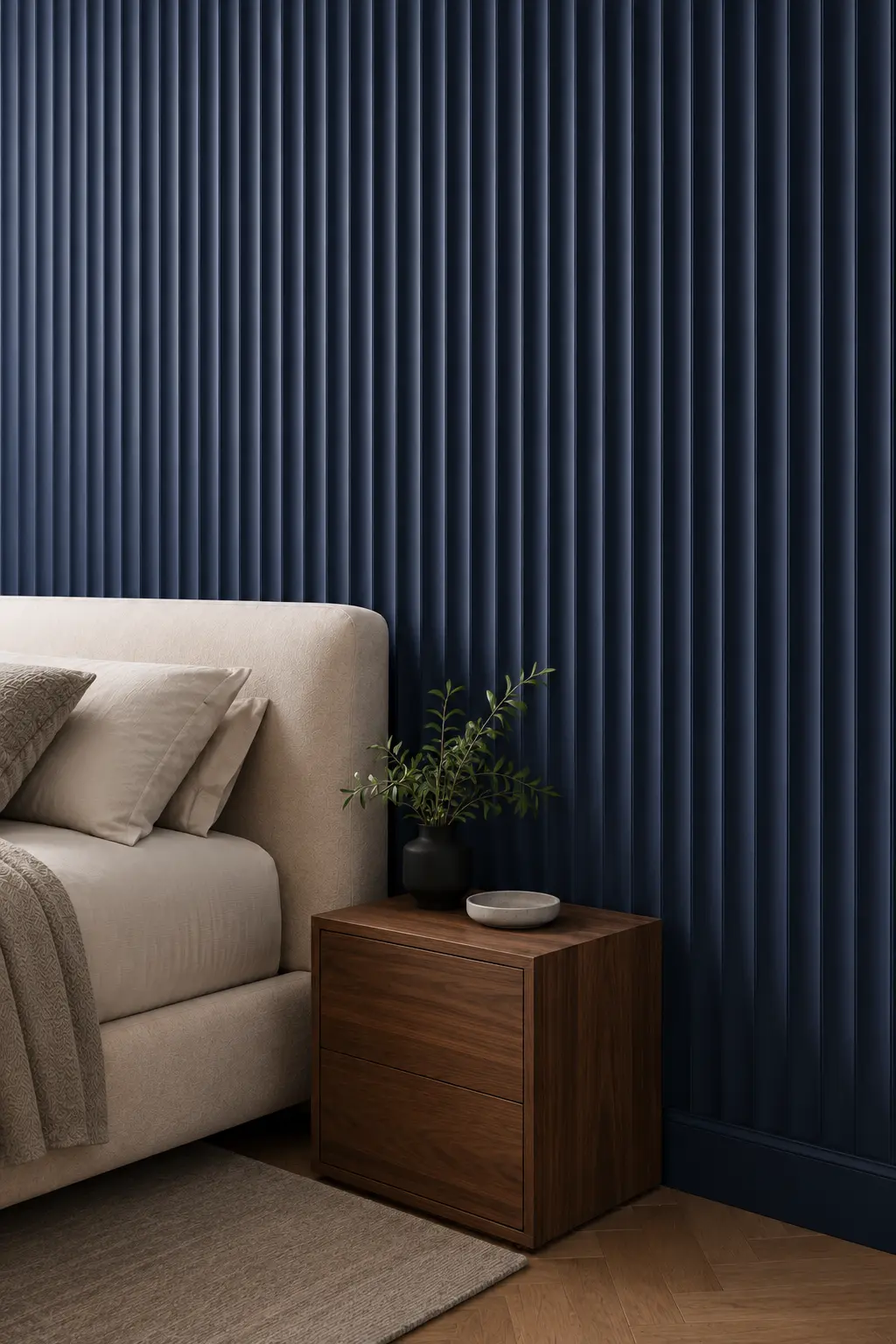
Paintable Wide Fluted Panels
Wide fluted paintable panels use broad channels to create a more open repeat. They suit a wall where the profile should remain clearly visible from across the room.
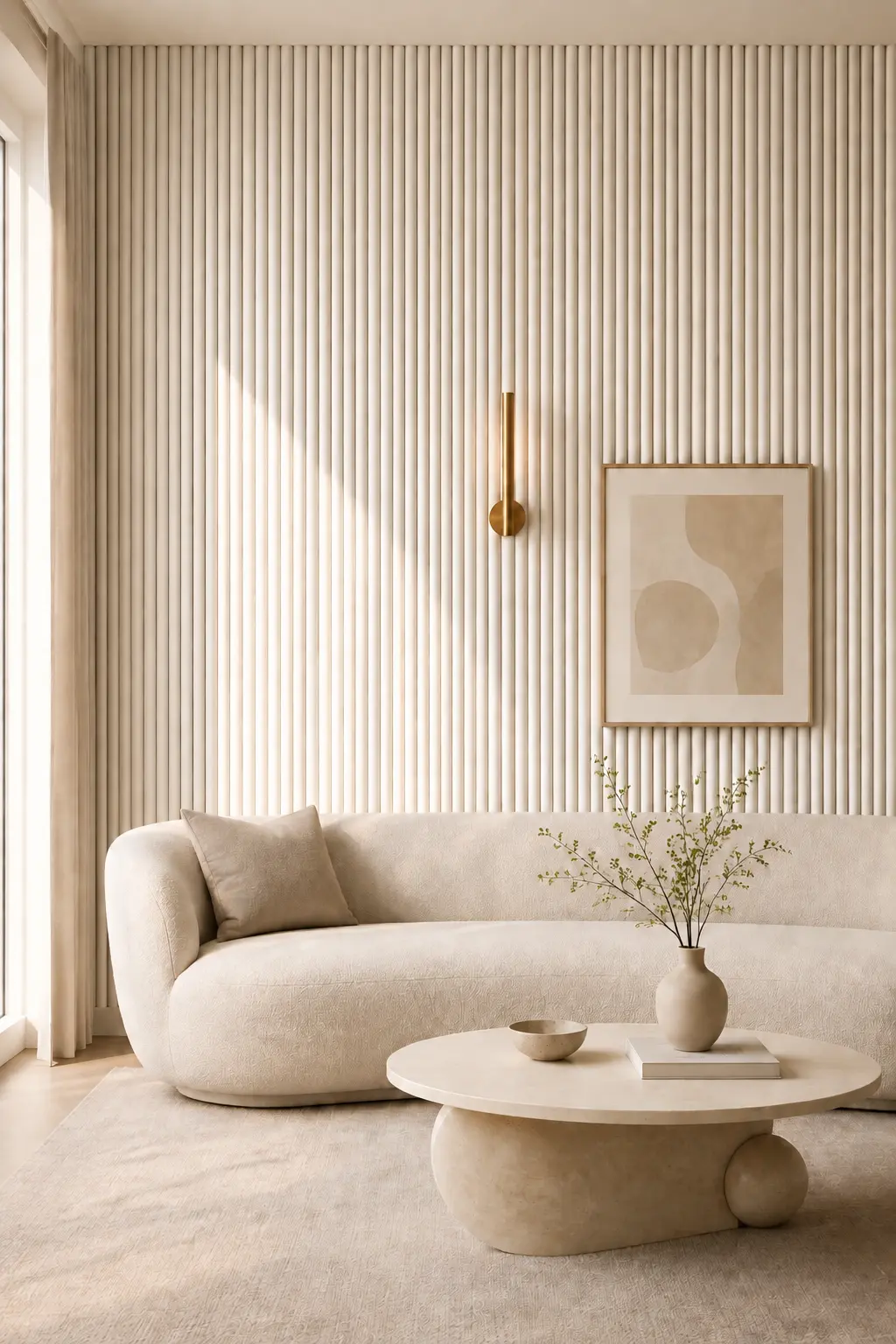
Paintable Ribbed Panels
Paintable ribbed panels create repeated rounded projections in a color selected for the room. The shape adds texture without introducing a wood grain or a separate felt-backed appearance.
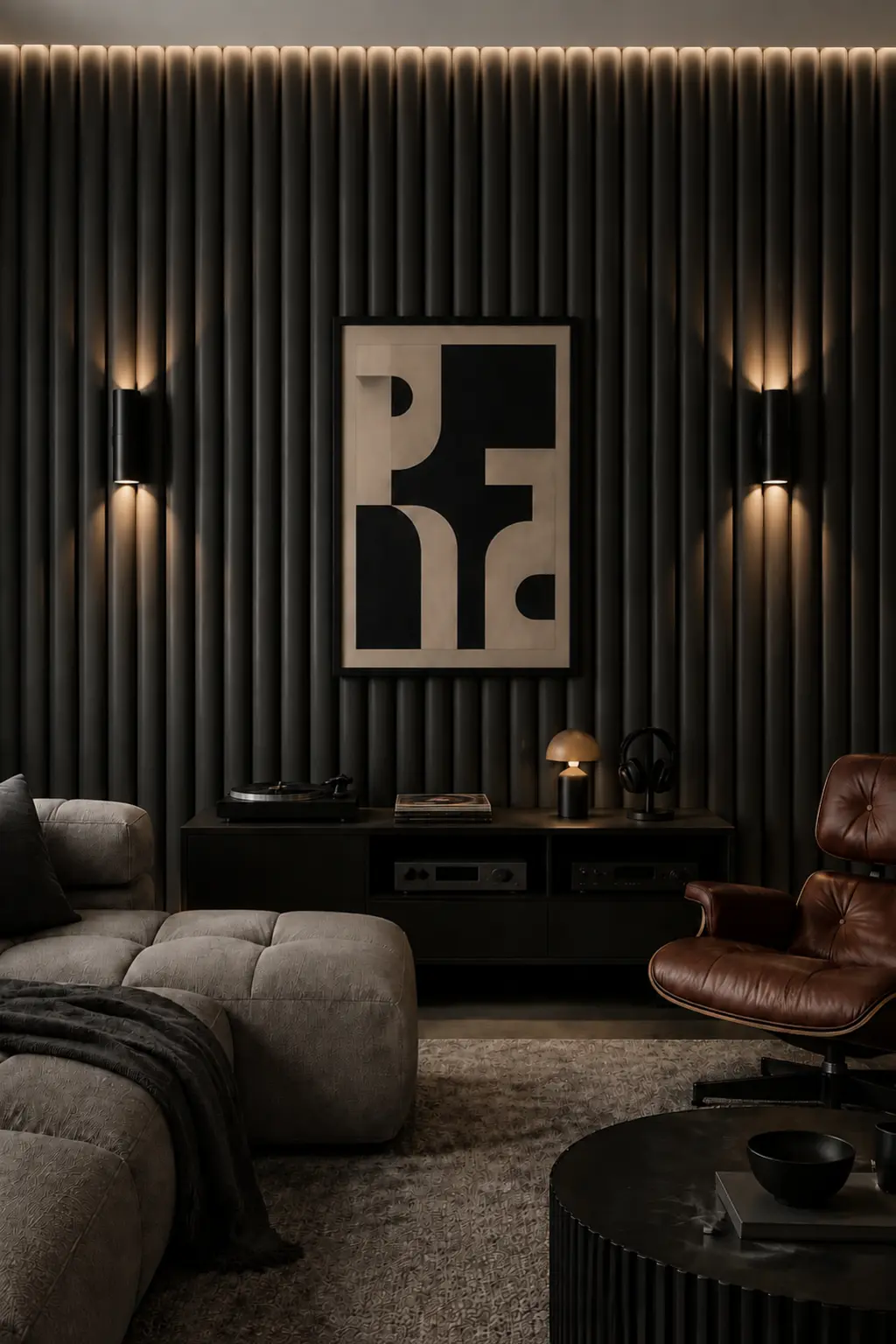
Paintable Wide Ribbed Panels
Wide ribbed paintable panels give each rounded face more presence. The result is a stronger dimensional texture than standard narrow ribbing, with color selected independently of a natural wood finish.
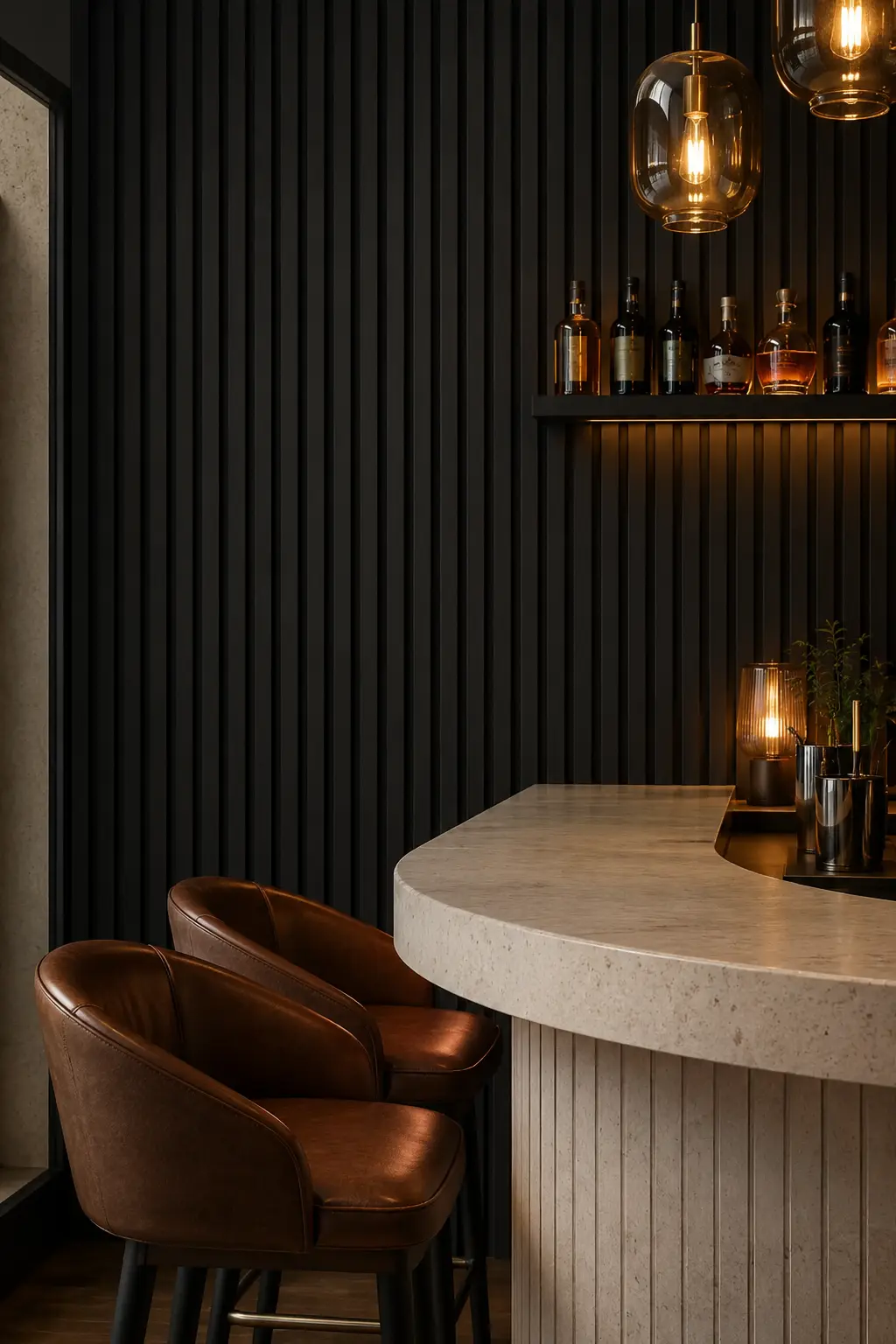
Paintable Slatted Walls
Paintable slatted walls create a sequence of flat faces and recessed gaps. A painted finish allows the relief to coordinate with the room while retaining the clear rhythm of vertical slats.
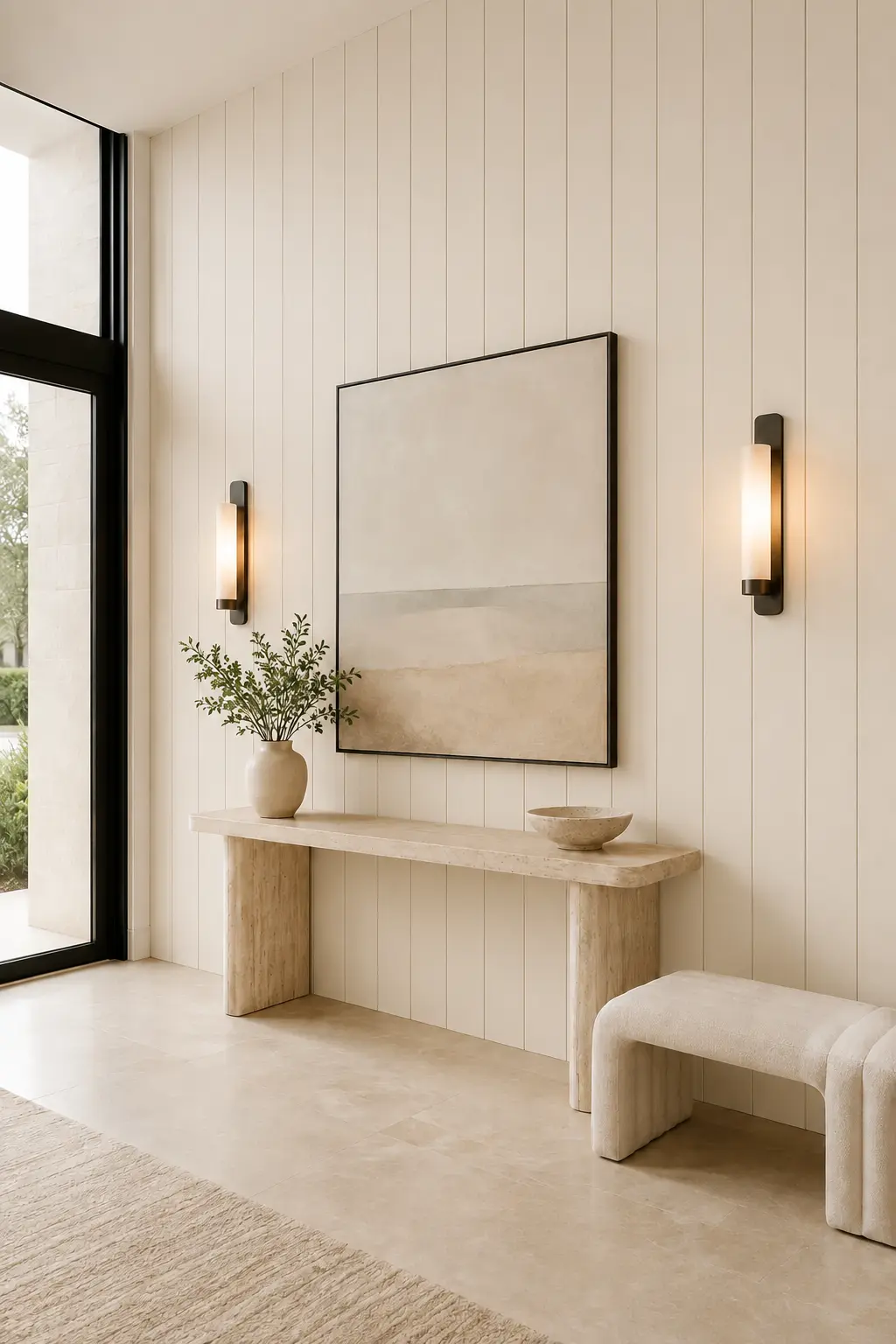
Paintable V-Groove Panels
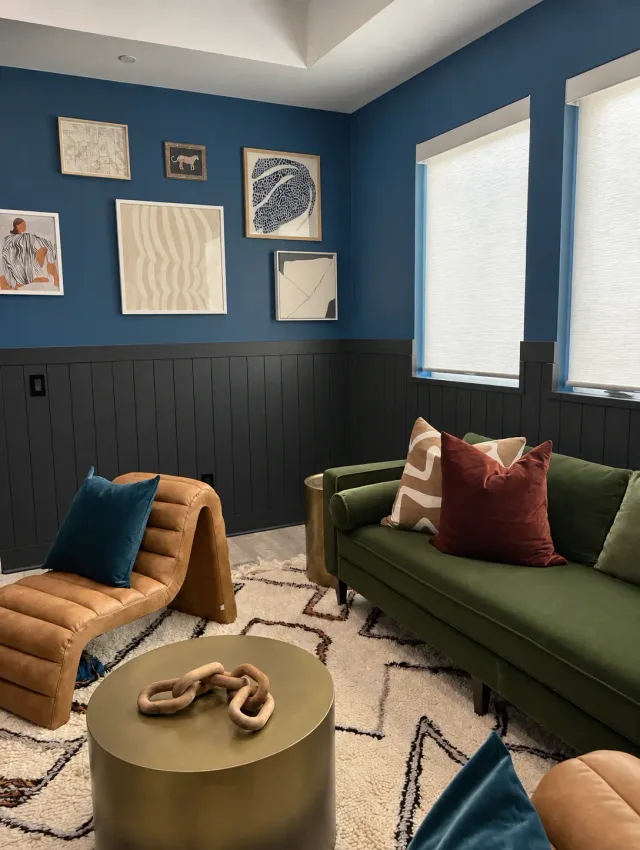
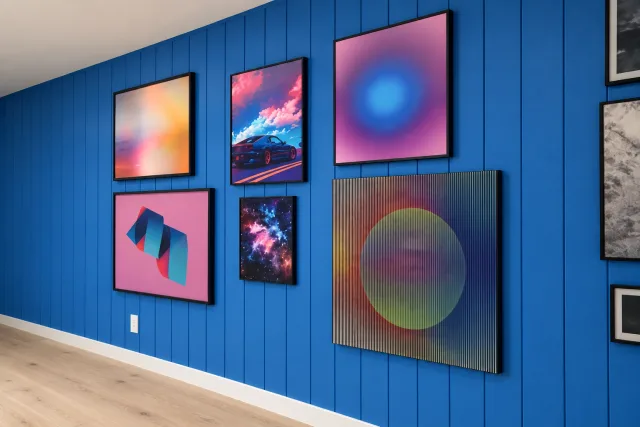
V-groove paneling uses narrow recessed lines to divide an otherwise flatter painted surface. It can form a full-height feature wall or a lower-wall treatment with coordinated trim.
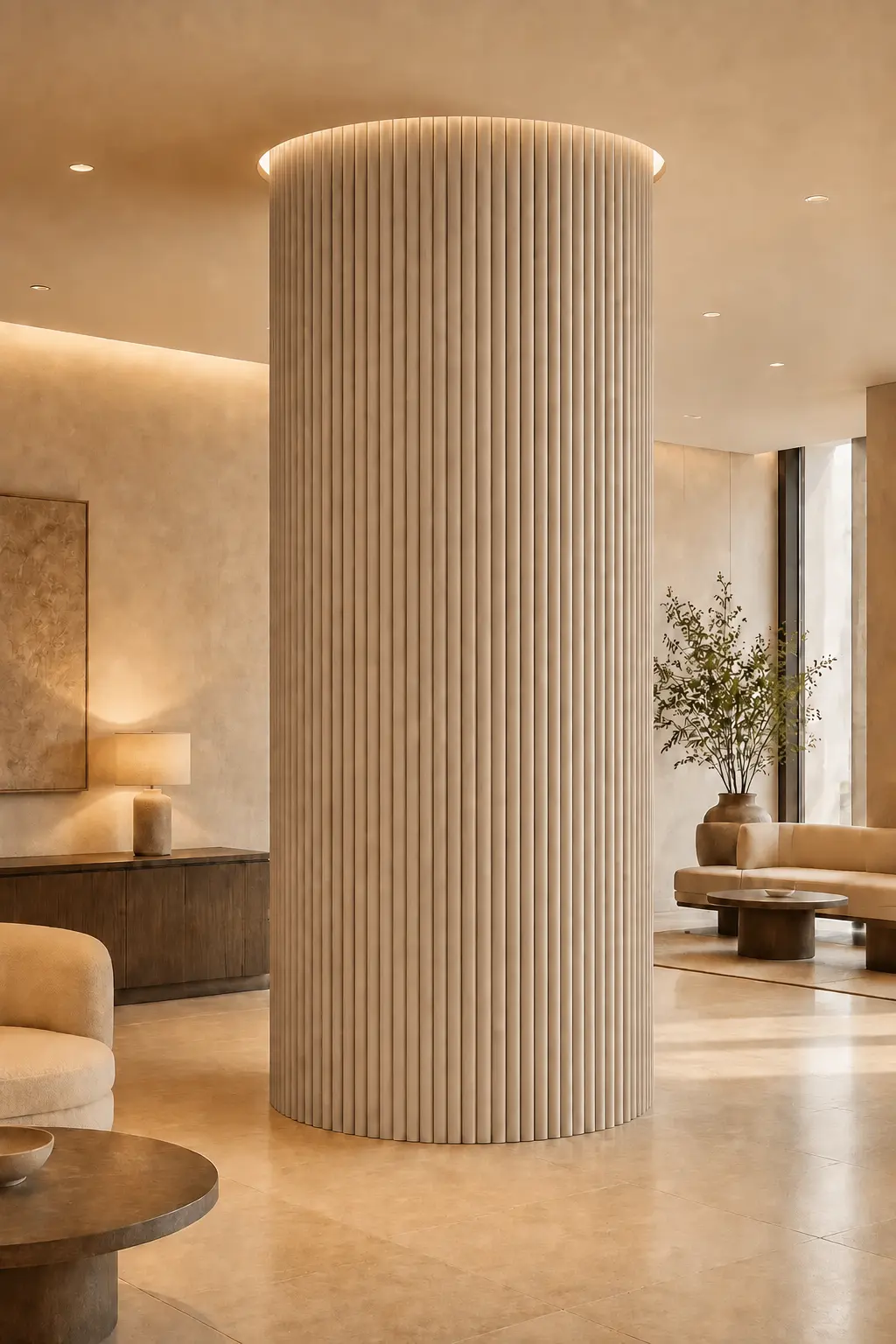
Paintable Flexible Ribbed Panels
Paintable flexible ribbed systems bring a continuous textured finish to compatible curves. They offer a color-led alternative to flexible wood finishes on columns and curved interior walls.
Plan the installation.
Acoustic performance depends on the selected product and mounting assembly; decorative panels are not soundproofing.
Wall panel installation begins with the selected system: wood veneer slats, a fluted or ribbed profile, tongue-and-groove paneling or a paintable surface. We plan panel seams, exposed edges and openings together so the profile continues deliberately across the wall.
What affects the project cost?
Material selection, wall area, substrate preparation, cutouts and edge finishing determine the range. A paintable panel also needs a suitable paint system. Curved surfaces, lighting and concealed mounting details are reviewed separately from a straightforward flat wall.
Compare the profiles below, use the estimator for a preliminary range and review the completed panel projects for examples of painted and wood finishes. Samples establish the final color and texture.